Concrete Leveling
Fix sunken concrete in hours instead of days without the cost and mess of total replacement.
Why Concrete Sinks and Why It Matters
Sunken concrete is more than just an eyesore. It creates trip hazards that can injure family members or guests. It causes water to pool against your foundation instead of draining away. It makes your property look neglected, even if everything else is well maintained.
Concrete sinks when the soil underneath erodes or settles. In Riviera Beach, this happens for several reasons. Heavy rains wash away soil from under slabs. Poor drainage causes erosion. Soil naturally compacts over time, especially if it wasn't properly compacted during original installation. Tree roots can also create voids as they grow and shift.
The traditional solution is complete replacement. Tear out the old concrete, haul it away, regrade the base, and pour new concrete. This takes days, costs thousands, and leaves you without use of that area during construction. There's a better way.
Problems Caused by Sunken Concrete
- •Safety hazards: Uneven surfaces create trip and fall risks for anyone walking across them.
- •Water damage: Sunken areas collect water that should drain away from your home.
- •Further settling: Water pooling in low spots causes more erosion and continued sinking.
- •Reduced property value: Uneven concrete makes your home look poorly maintained to potential buyers.
- •Structural concerns: Severe settling near foundations can indicate or cause bigger problems.
How Concrete Leveling Works
Modern concrete leveling uses a process that lifts sunken slabs back to their original position without replacement. It's faster, cleaner, and costs a fraction of what you'd pay for new concrete.
The Leveling Process
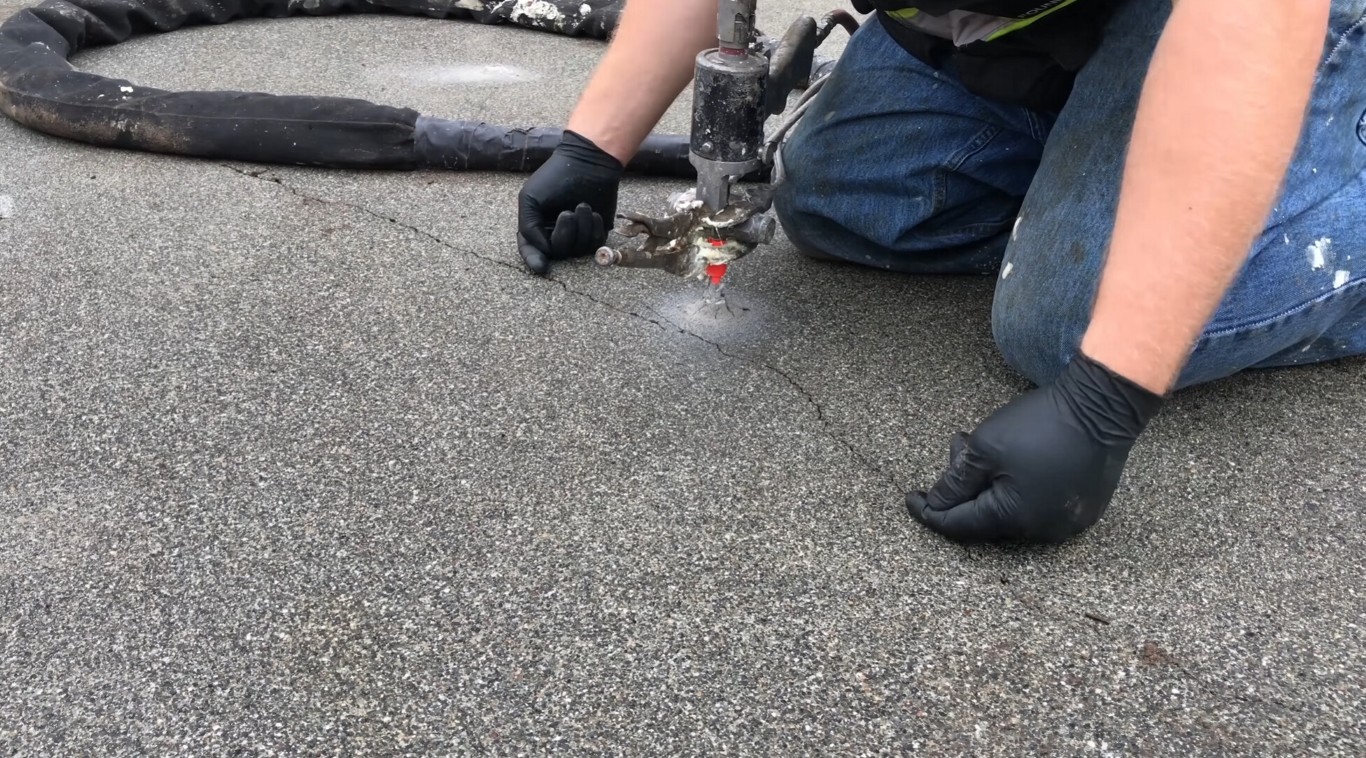
We drill small holes through the sunken concrete, typically about the size of a penny. Then we inject specialized material under the slab through these holes. As the material fills voids and expands, it lifts the concrete back to the correct height.
We use two main types of material depending on the situation. Polyurethane foam is lightweight, expands quickly, and cures in minutes. It's ideal for most residential applications like driveways, patios, and walkways. Mudjacking uses a cement slurry that's heavier and takes longer to cure but costs less for larger areas.
The process is precise. We monitor the lift in real time, raising the concrete gradually until it reaches the target elevation. We use laser levels and measuring tools to ensure accuracy. Once the slab is level, we fill the injection holes with concrete patch that matches the existing surface.
Why This Method Beats Replacement
Leveling costs 50% to 70% less than replacement. The work takes hours instead of days. You can use the concrete immediately after we finish, not a week later. There's no demolition debris to haul away. And you keep your existing concrete, which may have decorative finishes or features that would be expensive to replicate.
The repair is permanent if the underlying cause is addressed. If poor drainage caused the settling, we recommend fixing that issue. If the soil just needed time to compact, the lift should last as long as the original concrete. The injected material doesn't break down or compress over time.
What We Can Level
Concrete leveling works for most horizontal concrete surfaces. Here's what we commonly fix for homeowners and businesses in Riviera Beach.
Driveways
Sunken driveway sections create awkward transitions and drainage problems. We level these areas so your driveway is smooth and water flows off properly. This is especially important where the driveway meets the garage floor, as big drops can damage your car's undercarriage.
Sidewalks and Walkways
Uneven sidewalks are major liability issues. Someone trips and gets hurt, and you could be responsible. We lift sunken sections to eliminate trip hazards and create smooth, safe walking surfaces. This is critical for public sidewalks where liability exposure is highest.
Patios and Pool Decks
Patios and pool decks often settle near the edges where fill soil wasn't compacted as well. We raise these areas to restore proper drainage and eliminate trip hazards. This is especially important around pools where wet surfaces make falls more dangerous.
Garage Floors
Garage floors sometimes sink near doorways or along edges. This creates lips that catch on car wheels and make it hard to roll equipment in and out. We can level interior slabs to restore smooth, even surfaces.
Commercial Applications
We also level commercial concrete like warehouse floors, parking lots, and building entrances. Uneven commercial concrete creates liability issues and can damage forklifts or pallet jacks. Leveling restores safe, functional surfaces without the downtime of replacement.
When Leveling Won't Work
Leveling isn't right for every situation. If the concrete is severely cracked, broken into multiple pieces, or structurally failed, replacement is the better option. If settling is ongoing due to serious soil problems, we need to address that issue first. We'll assess your concrete honestly and recommend leveling only when it's the right solution.