Retaining Walls & Concrete Masonry
Turn sloped yards into usable space with retaining walls that are both functional and attractive.
Why Retaining Walls Matter
Sloped yards present real challenges. Soil erosion washes away your landscaping. Uneven terrain limits how you can use your outdoor space. Water runs downhill, potentially toward your foundation. A well-designed retaining wall solves all these problems.
Retaining walls hold back soil, creating level areas where you can add patios, gardens, or play spaces. They prevent erosion by stabilizing slopes. They redirect water flow to protect your home's foundation. And when designed well, they add visual interest and value to your property.
In Riviera Beach, where heavy rains are common, proper drainage behind retaining walls is critical. We don't just stack blocks or pour concrete. We engineer walls with proper footings, drainage systems, and reinforcement to ensure they last for decades without shifting or failing.
Benefits of Professional Retaining Walls
- •Creates usable space: Transform steep slopes into level areas for patios, gardens, or walkways.
- •Prevents erosion: Holds soil in place during heavy rains and protects your landscaping investment.
- •Improves drainage: Redirects water away from your home to prevent foundation damage.
- •Increases property value: Attractive, functional retaining walls make properties more appealing to buyers.
- •Adds visual interest: Well-designed walls create terraced landscapes with depth and character.
Types of Retaining Walls We Build
Different situations call for different wall types. We design and install the right wall for your property's specific needs and your aesthetic preferences.
Concrete Block Retaining Walls
A concrete block retaining wall is the most common choice for residential properties. We use interlocking blocks designed specifically for retaining walls. These blocks have built-in features that help them resist the pressure from soil behind them.
Block walls offer great versatility in appearance. Blocks come in various colors, textures, and sizes. Some mimic natural stone, while others have a clean modern look. We help you choose blocks that complement your home and landscape design.
Installation involves excavating a level base, laying a compacted gravel foundation, and stacking blocks in a slight backward lean. As we build up, we backfill with drainage gravel and install drain pipes to prevent water pressure from building up behind the wall.
Poured Concrete Retaining Walls
For taller walls or heavy-duty applications, poured concrete provides maximum strength. We build forms, install steel reinforcement, and pour concrete to create a solid, monolithic wall. These walls can handle more pressure than block walls and work well for commercial properties or extreme slopes.
Poured walls require more extensive footings and engineering but last longer and need less maintenance than other types. We can finish the exposed face with various textures or apply decorative treatments to improve appearance.
Concrete Masonry Walls
We also build decorative masonry walls using concrete blocks or bricks. These aren't necessarily retaining walls but serve as property boundaries, privacy screens, or architectural features. We build them on proper footings with vertical reinforcement and can cap them with decorative tops.
Engineering and Design Considerations
Retaining walls are more complex than they look. Poor design or construction leads to failure. We engineer walls properly from the start to ensure they perform as intended.
Height and Load Calculations
Wall height determines the design approach. Walls under 4 feet are relatively straightforward. Taller walls require engineering calculations to determine footing size, reinforcement, and drainage requirements. For walls over 4 feet, we typically bring in a structural engineer to approve the design.
The type of soil matters too. Clay soils hold more water and create more pressure. Sandy soils drain better but may not provide as much stability. We assess your soil and design accordingly.
Drainage Systems
Proper drainage is the most important factor in retaining wall longevity. Water buildup behind the wall creates pressure that can cause failure. We install drainage gravel behind the wall and perforated drain pipes at the base to carry water away.
We also create weep holes through the wall to allow water to escape. The drainage system redirects water to appropriate discharge points away from the wall and your home's foundation.
Footings and Foundations
Every retaining wall needs a solid footing. We excavate below grade and pour a concrete footing that's wider than the wall. The footing distributes the wall's weight and provides a stable, level base for construction.
Footing depth depends on wall height and local building codes. Taller walls need deeper footings. We also consider frost depth and soil conditions when determining footing specifications.
Integration with Landscape
A retaining wall should look like it belongs in your landscape. We help you plan wall placement and design to create functional spaces while maintaining an attractive appearance. Multiple shorter walls in tiers often look better than one tall wall, and they're structurally easier to build.
We also coordinate with other outdoor features. If you're planning a patio or outdoor living area, we can design walls that create level spaces for those features. We work with your landscaper to ensure plants, irrigation, and other elements integrate well with the wall.
Our Installation Process
Retaining wall installation requires precision and attention to detail. Here's how we ensure your wall is built to last.
Site Assessment and Planning
We start with a thorough site evaluation. What's the slope? What's the soil type? Where does water flow? Are there utilities to work around? This assessment determines the wall design and installation approach.
We also discuss your goals. Do you want to create a level area for a specific use? Are you primarily addressing erosion? Do you want the wall to be a design feature? Understanding your objectives helps us design the right solution.
Excavation and Base Preparation
We excavate the wall location, dig the footing trench, and prepare the base. The base must be level and compacted. We use a plate compactor and check levels carefully. Any settling in the base will cause problems later.
For walls requiring footings, we pour those first and let them cure. For smaller block walls, a compacted gravel base may be sufficient. We follow engineering specifications and building codes for your specific wall height and conditions.
Wall Construction
We build the wall course by course, checking level and alignment constantly. Block walls are built with a slight backward lean (called batter) to help resist soil pressure. As we go up, we install drainage materials and pipes.
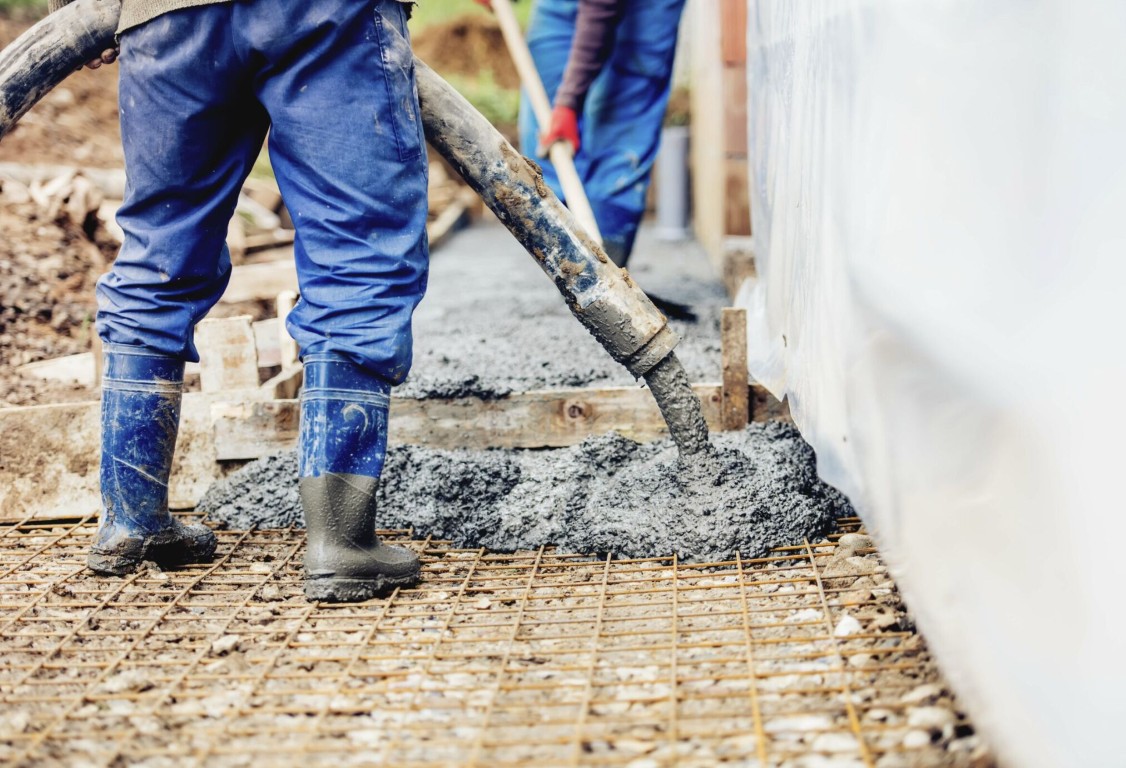
For poured walls, we build forms, place reinforcement, and pour concrete in sections. We ensure proper consolidation to eliminate voids. After the concrete cures, we remove forms and apply any desired finishes.
Backfilling and Final Grading
Once the wall is complete, we backfill behind it in layers, compacting as we go. We use appropriate drainage materials near the wall and transition to soil farther back. Final grading ensures water flows away from the wall, not toward it.
We clean up the site thoroughly and restore any disturbed areas. If you're ready to landscape, we coordinate timing so plants can be installed without damaging new construction. Or we can recommend landscaping professionals who work well with retaining walls.