Concrete Pool Decks
Create a safe, comfortable pool area that stays cool underfoot and looks amazing for years.
Why Concrete Is Perfect for Pool Decks
Your pool deck needs to handle unique challenges. It's constantly wet, people walk on it barefoot, and it's exposed to harsh sun and pool chemicals. Not every material can handle this environment well, but concrete excels at it.
Wood decks rot and splinter. Pavers shift and grow weeds. Stone can be slippery and expensive. Concrete provides a solid, stable surface that won't move or deteriorate. With the right finish and treatment, concrete stays cool enough to walk on barefoot even in Florida's heat.
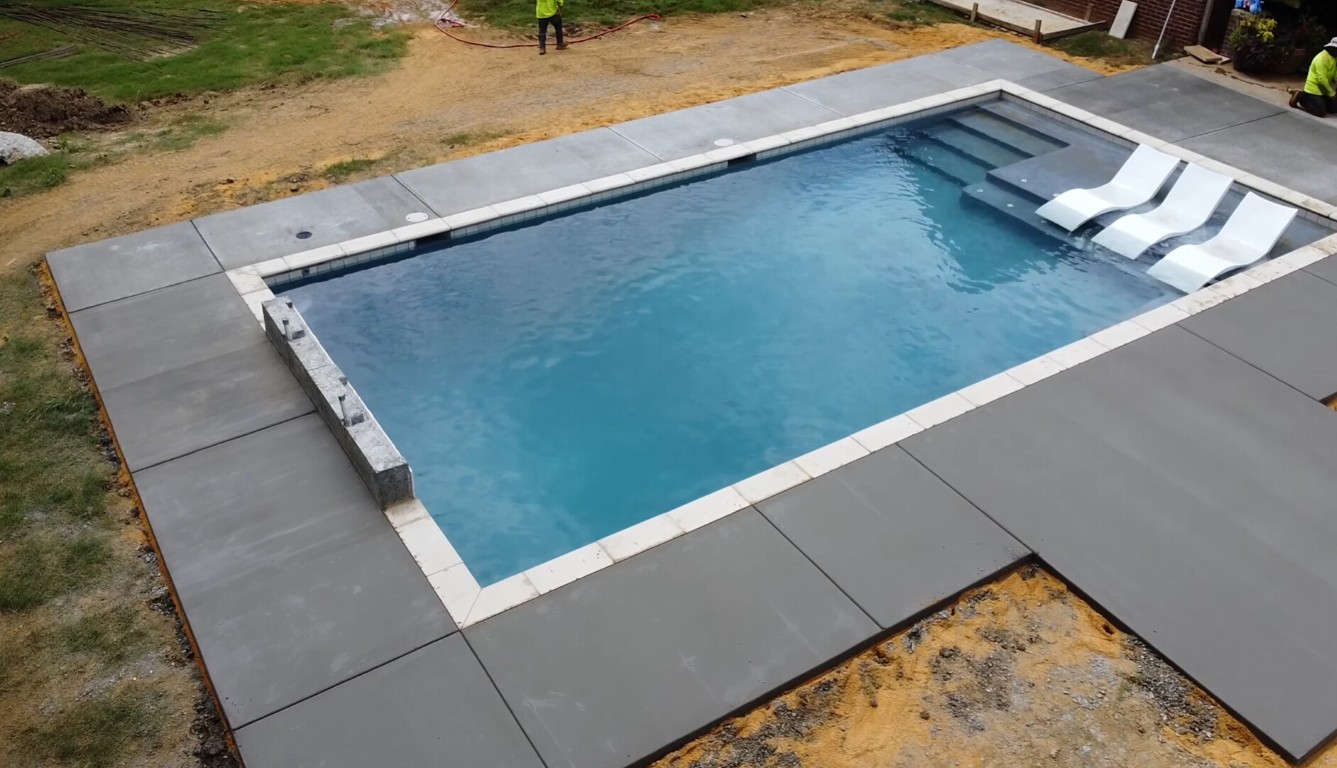
Concrete also offers design flexibility that other materials can't match. You can create any shape to fit your pool and yard. Add curves that flow naturally, or stick with clean geometric lines. Choose from dozens of colors and textures. The result is a custom pool area that fits your vision and budget.
Benefits of Concrete Pool Decks
- •Slip resistance: Textured finishes provide secure footing even when wet from splashing or rain.
- •Chemical resistant: Properly sealed concrete resists chlorine and other pool chemicals without damage.
- •Stays cooler: Light-colored concrete reflects heat better than dark materials, staying cooler underfoot.
- •Design versatility: Unlimited shapes, colors, and patterns let you create the exact look you want.
- •Long lasting: Concrete pool decks last 20 to 30 years with proper maintenance and care.
Pool Deck Design Options
The finish you choose affects both appearance and function. We'll help you select options that look great and perform well in the wet, sunny pool environment.
Standard Finishes
A broom finish is the most common choice for pool decks. We drag a broom across the wet concrete to create texture that prevents slipping. It's affordable, practical, and works well. The texture should be moderate, not too rough to hurt bare feet but textured enough for traction when wet.
Brushed or knockdown finishes offer a smoother feel than broom texture while still providing slip resistance. These finishes look more refined and feel comfortable underfoot. They cost slightly more but create a more upscale appearance.
Decorative Finishes
Stamped concrete creates stunning pool decks that mimic stone, slate, or wood. Popular patterns include flagstone, which looks natural and organic, and travertine, which evokes Mediterranean or tropical resort style. Wood plank patterns create a modern, beach house feel.
Exposed aggregate reveals the small stones in the concrete mix, creating a textured, natural appearance. It's very slip-resistant and hides dirt well. The texture feels pleasant on bare feet while providing excellent traction. Exposed aggregate works especially well for tropical or natural landscape designs.
Color Selection
Color is important for both appearance and comfort. Lighter colors reflect more heat, staying cooler to walk on. Popular pool deck colors include tan, beige, light gray, and sand tones. These colors stay comfortable in the sun and complement most homes and landscapes.
Avoid dark colors near pools in Florida. Dark gray or charcoal looks sophisticated but gets uncomfortably hot. If you want darker tones, use them in shaded areas only. We can also blend multiple colors to create depth and variation that mimics natural stone.
Special Features
We can integrate special features into your pool deck. Built-in seating or planter boxes become permanent features that don't shift or move. Decorative borders define different areas or separate the deck from the coping. Scoring or saw-cut patterns add visual interest to simple finishes.
How We Install Pool Decks
Pool deck installation requires special attention to detail. The deck must drain properly, resist pool chemicals, and provide safe footing. Here's how we ensure your pool deck performs perfectly.
Planning and Layout
We start by planning the deck size and shape. Building codes typically require at least 4 feet of deck around the pool perimeter, but most people want 6 to 10 feet for comfortable use. This gives you room for lounge chairs, tables, and walking space.
We also plan for equipment access. Your pool pump, filter, and heater need service access. We design the deck to provide convenient access panels or removable sections where needed. Drainage is built into the plan so water flows away from the pool and your home.
Site Preparation
We excavate and grade the area around your pool. The deck should slope slightly away from the pool, typically 1/4 inch per foot, to prevent water from running back into the pool. We install a compacted gravel base that provides drainage and prevents settling.
If your pool is above ground or your yard has drainage challenges, we may need to install additional drainage systems. French drains or channel drains keep water from pooling under the deck. This prevents erosion and extends the deck's life.
Pouring and Finishing
We install wire mesh or rebar reinforcement, then pour the concrete. Pool decks are typically 4 inches thick, enough for foot traffic and pool furniture. We work carefully around the pool coping (the edge around the pool) to create a proper connection that won't crack.
Control joints are cut to guide where any cracks will form. For larger decks, we space joints every 8 to 10 feet. We apply your chosen finish while the concrete is still workable. Timing is critical, especially for decorative finishes that require precise application.
Sealing and Protection
After the concrete cures, we apply a high-quality sealer designed for pool areas. Pool deck sealers must resist chlorine and other chemicals while protecting against UV damage. The sealer also enhances color and makes the surface easier to clean.
We recommend resealing every 2 to 3 years. This maintains protection and keeps the deck looking fresh. More frequent sealing may be needed if your pool uses salt water, which is harder on concrete than traditional chlorine systems.