Concrete Repair & Replacement
Don't replace your entire driveway or patio when professional repair can save you thousands.
When to Repair Instead of Replace
Not every crack or damaged section means you need to tear out all your concrete. In many cases, repair is faster, cheaper, and just as effective as replacement. The key is knowing when repair makes sense and when replacement is the better long-term investment.
Small cracks, minor surface damage, and isolated problem areas usually respond well to repair. If less than 25% of your concrete is damaged and the rest is structurally sound, repair is typically the way to go. You save money and avoid the disruption of a complete replacement.
On the other hand, widespread cracking, major settling, or structural failure throughout the slab means replacement makes more sense. If your driveway or patio is more than 30 years old and showing multiple problems, replacement might be more cost-effective in the long run.
Signs Your Concrete Can Be Repaired
- •Hairline cracks: Thin surface cracks less than 1/4 inch wide that don't go through the full thickness.
- •Surface spalling: The top layer is flaking or chipping but the underlying concrete is solid.
- •Small sections: One or two damaged areas while the rest of the slab is in good condition.
- •Minor settling: Slight unevenness that can be corrected with leveling techniques.
- •Edge damage: Broken or crumbling edges that can be patched or rebuilt.
Concrete Repair Services We Offer
We handle all types of concrete repairs, from simple crack filling to complex structural work. Here's what we can do to restore your concrete.
Crack Repair and Sealing
Cracks let water seep under your concrete, which leads to bigger problems. We clean out the cracks, fill them with flexible sealant or epoxy, and seal the surface. For wider cracks, we use specialized repair mortars that bond to the existing concrete and prevent further spreading.
The repair method depends on the crack size and cause. Hairline cracks get filled with liquid crack filler. Wider structural cracks might need routing and sealing with epoxy. We assess each crack individually and use the right technique for lasting results.
Surface Restoration and Resurfacing
If your concrete looks worn, stained, or the surface is spalling, resurfacing can make it look new again. We apply a thin layer of specialized concrete overlay that bonds to the existing surface. This covers imperfections and creates a fresh, uniform appearance.
We can also add color or texture during resurfacing. Want a decorative finish on your old plain concrete? Resurfacing lets you add that without tearing out the existing slab. It's a cost-effective way to upgrade your concrete's look.
Partial Slab Replacement
When one section is severely damaged but the rest is fine, we can remove and replace just that section. We cut out the damaged area, prepare the base, and pour new concrete that ties into the existing slab. We match the finish and elevation so the repair blends seamlessly.
This approach saves you money compared to replacing the entire driveway or patio. It also causes less disruption since we're only working on a small area. Most partial replacements are completed in one or two days.
Leveling Sunken Concrete
Concrete slabs sometimes sink due to soil settling or erosion underneath. Instead of replacing the slab, we can often lift it back to the correct level using modern leveling techniques. This fixes trip hazards, improves drainage, and restores the appearance.
The process involves injecting material under the slab to fill voids and raise it. It's much faster and less expensive than replacement. We can typically level a sunken driveway section in just a few hours.
When Full Replacement Makes More Sense
Sometimes repair just isn't practical. If your concrete has multiple serious problems, replacement gives you a better long-term solution. Here's when we recommend starting fresh.
Extensive Cracking Throughout
If cracks cover more than a quarter of the surface, especially if they're wide and interconnected, the slab is telling you it's failing. Repairing each crack individually costs almost as much as replacement and doesn't address the underlying structural issues causing them.
Severe Settling or Heaving
When large sections have dropped several inches or heaved upward, the soil underneath has failed. Leveling might temporarily fix the elevation, but the movement will likely continue. Replacement lets us address the soil problems and install a properly supported new slab.
Poor Original Installation
Sometimes concrete fails because it wasn't installed correctly in the first place. Too thin, no reinforcement, inadequate base, wrong mix design. These fundamental flaws can't be fixed with repairs. Replacement gives you the opportunity to build it right this time.
Age and Wear
Concrete doesn't last forever. After 30 to 40 years, even well-maintained concrete shows its age. If your concrete is old and developing multiple problems, replacement makes financial sense. You'll get decades more life from new concrete rather than patching an aging slab that will keep deteriorating.
Our Replacement Process
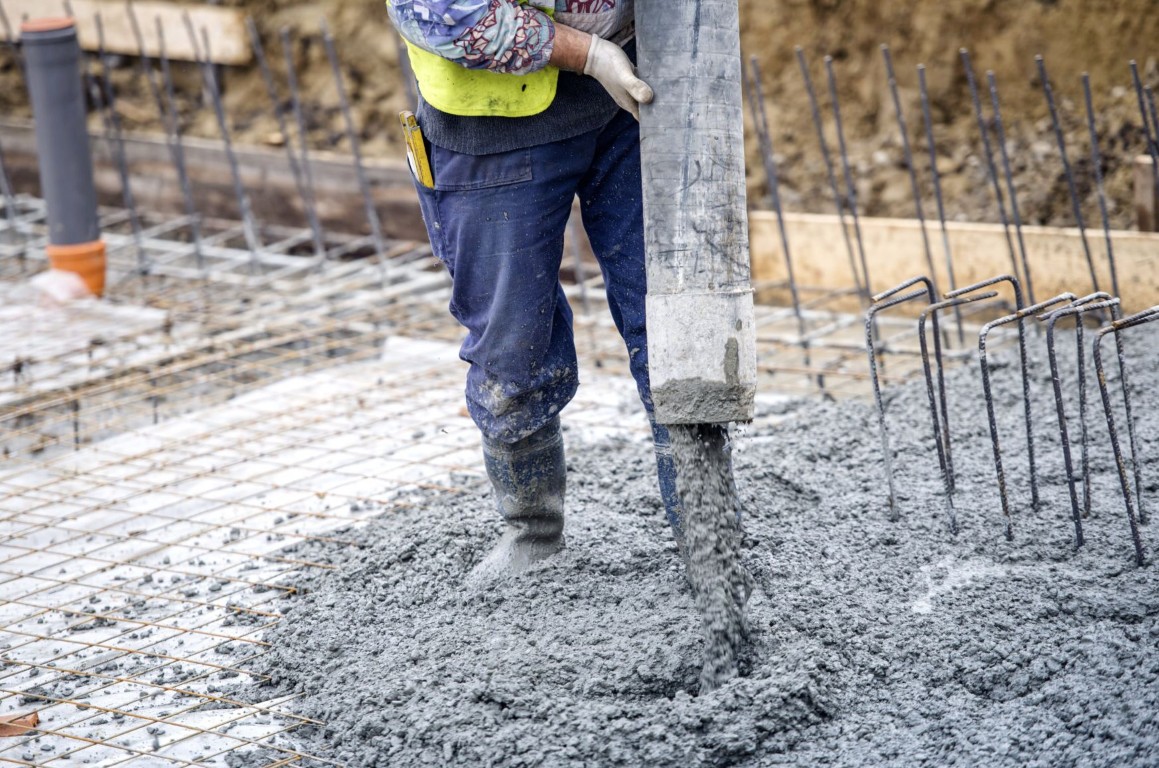
When replacement is the right choice, we handle everything. We remove the old concrete, haul it away, prepare the base properly, and install new concrete built to last. You get a warranty on the work and peace of mind knowing your new concrete is done right.
We can also use replacement as an opportunity to upgrade. Want thicker concrete? Better drainage? A decorative finish? This is the perfect time to add those features while we're rebuilding anyway.