Stamped & Decorative Concrete
Get the high-end look of natural stone or brick for a fraction of the cost with stamped concrete.
What Is Stamped Concrete?
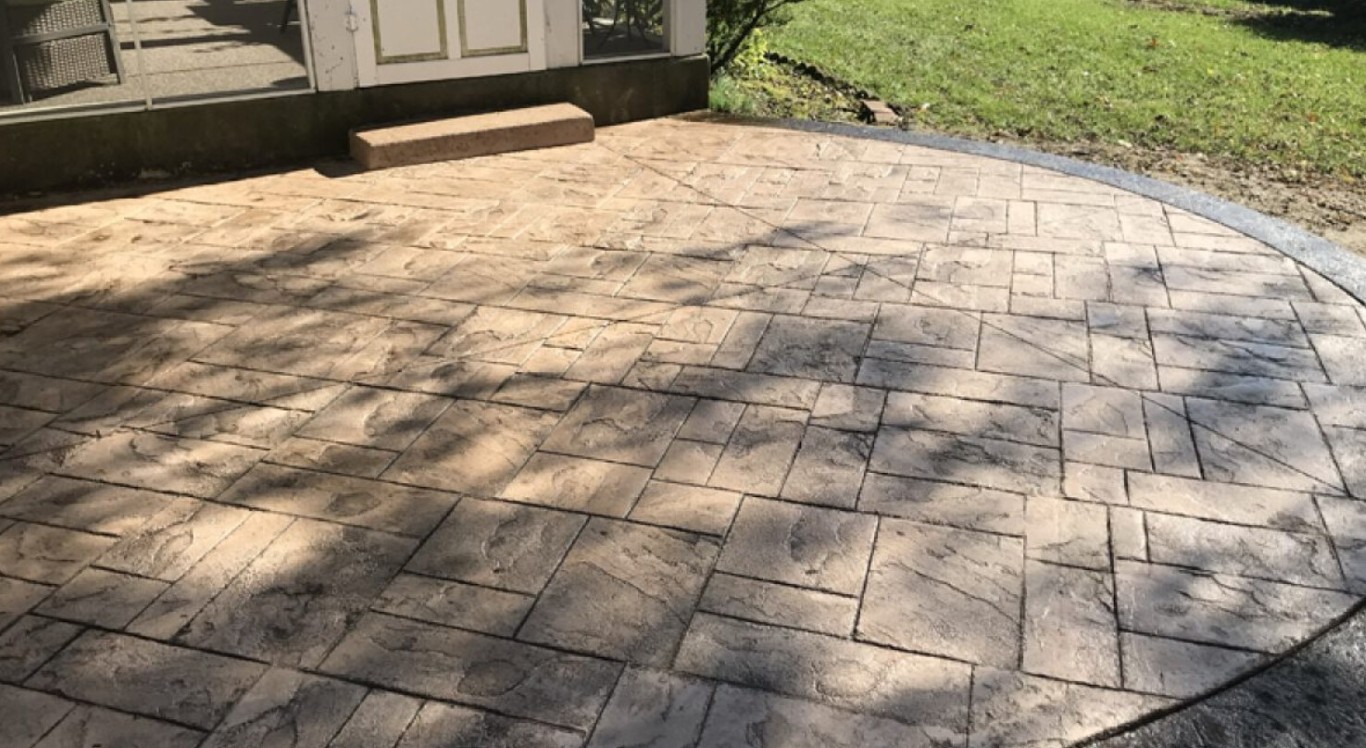
Stamped concrete lets you create the appearance of expensive materials like natural stone, slate, brick, or wood without the high cost or maintenance headaches. We pour standard concrete, then press textured patterns into the surface while it's still wet. The result looks remarkably like the real thing.
Combined with color, stamped concrete becomes even more convincing. We can match the earth tones of flagstone, the reddish hues of brick, or the varied colors of natural slate. Most people can't tell it's concrete until they look closely or touch the surface.
The best part? Stamped concrete is much more affordable than the materials it mimics. Natural stone can cost $15 to $30 per square foot installed. Stamped concrete typically runs $8 to $18 per square foot, depending on the complexity of the design. You get the look you want without breaking your budget.
Why Choose Decorative Concrete
- •Costs less than real stone: You save thousands compared to natural materials while getting a similar look.
- •Easier to maintain: No weeds between pavers, no loose stones, no individual pieces to replace.
- •Faster installation: We complete most projects in 2 to 4 days, not weeks like natural stone.
- •More durable surface: One solid piece of concrete is stronger and more stable than individual pavers or stones.
- •Unlimited design options: Dozens of patterns and hundreds of color combinations let you create exactly the look you want.
Pattern and Color Options
The variety of patterns and colors available for stamped concrete is impressive. We'll help you choose options that complement your home's architecture and your personal style.
Popular Stamping Patterns
Ashlar slate is one of the most popular patterns. It mimics large, rectangular slate tiles with natural texture and variation. This pattern works well for patios, walkways, and pool decks. It creates a sophisticated, upscale appearance.
Cobblestone patterns replicate the look of old European streets with irregular, rounded stones. This rustic pattern adds character to driveways and courtyard areas. It pairs especially well with traditional and Mediterranean-style homes.
Wood plank patterns create the appearance of wooden decking without the rot, splinters, or maintenance. These patterns work beautifully for patios and outdoor living areas where you want a natural, organic feel. They're especially popular around pools and in tropical landscape designs.
Random stone patterns mimic natural flagstone with irregular shapes and sizes. This versatile pattern works with almost any home style and landscape design. It creates a natural, organic appearance that blends seamlessly with gardens and outdoor spaces.
Brick patterns offer the classic look of laid brick in various arrangements like herringbone, basketweave, or running bond. These patterns are perfect for driveways, walkways, and courtyards, especially with colonial or traditional architecture.
Color Selection
We offer two main coloring methods. Integral color is mixed throughout the concrete before pouring. This creates consistent color that won't wear off over time. It's more expensive but provides better long-term durability.
Surface color hardeners are applied to the top of the concrete and worked into the surface. They provide vibrant, rich colors and add extra hardness to the surface. Most stamped concrete uses color hardeners because they offer the most realistic appearance.
Popular color families include earth tones like tan, brown, and terracotta for a natural look. Gray and charcoal tones create a modern, contemporary feel. Red and rust shades mimic brick and aged clay. We can also blend multiple colors to create depth and variation, just like real stone.
We'll bring samples to show you during your estimate. Seeing the actual patterns and colors helps you make confident decisions about your project.
How We Create Stamped Concrete
Stamped concrete requires more skill and precision than standard concrete work. The timing and technique must be perfect to achieve professional results. Here's how we do it.
Preparation and Pour
We start with the same careful preparation as any concrete project. The site is excavated, graded, and compacted. We install a base layer and reinforcement. The concrete is poured and screeded level, just like a standard patio or driveway.
The difference comes in what happens next. Timing is critical with stamped concrete. The concrete must be firm enough to hold the stamp pattern but still soft enough to imprint. This window is usually just a few hours, depending on temperature and humidity.
Color Application and Stamping
Once the concrete reaches the right consistency, we broadcast color hardener over the surface. This powder is worked into the concrete with trowels. We often apply a second color, called a release agent, which creates the color variation you see in natural stone.
Then we place the stamping mats on the concrete and press them down firmly. These mats are made of flexible polyurethane with the texture and pattern molded in. We walk on the mats or use a tamper to ensure the pattern transfers completely into the concrete.
Each mat overlaps slightly with the previous one to create a continuous pattern. Getting the alignment right takes skill and experience. Poor alignment creates obvious seams and ruins the illusion. Our crew has stamped thousands of square feet and knows how to create seamless, realistic patterns.
Finishing and Sealing
After stamping, we carefully remove the mats. Then we cut control joints to guide where any cracking will occur. These joints are typically placed to look like grout lines between stones, so they blend into the pattern.
Once the concrete has cured for a few days, we wash the surface to remove any residual release agent and reveal the final colors. Then we apply a high-quality sealer. The sealer protects the color, enhances the appearance, and makes the surface easier to clean.
The sealer also adds a slight sheen that can range from matte to glossy, depending on your preference. Most people choose a satin or semi-gloss finish that enhances the colors without looking too shiny.
Maintenance and Long-Term Care
One of the biggest advantages of stamped concrete is how little maintenance it requires compared to the materials it mimics. Natural stone needs regular cleaning, occasional releveling, and replacement of damaged pieces. Pavers shift, sink, and grow weeds. Wood decking rots, splinters, and needs constant sealing.
Stamped concrete just needs periodic cleaning and resealing. Sweep it regularly to remove dirt and debris. Pressure wash it once or twice a year to keep it looking fresh. Avoid using harsh chemicals or deicers, which can damage the sealer.
Reseal your stamped concrete every 2 to 3 years, or when you notice the water no longer beads on the surface. Resealing takes just a few hours and costs far less than maintaining other materials. It refreshes the color and protects the surface from wear, UV damage, and moisture.
With proper care, stamped concrete lasts 25 years or more. The pattern won't fade or wear away because it's imprinted into the concrete itself. The color may lighten slightly over decades of sun exposure, but resealing helps maintain the vibrancy. Overall, it's one of the most durable and low-maintenance decorative surface options available.
If you're considering other concrete options for your property, we also install standard and decorative driveways that can coordinate with your stamped patio or walkway for a cohesive look throughout your outdoor spaces.